Some Secrets Just Can’t Stay Buried by S.A. Sizemore
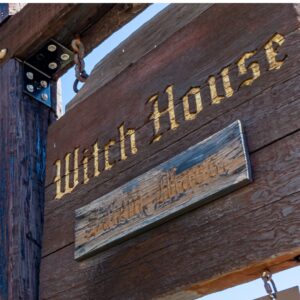
The Salem Witch Trials of 1692 weren’t a land grab. They weren’t triggered by a hallucinogenic grain fungus. They weren’t even about witchcraft.
The Salem witch panic began because of one family.
Mine.
In 2019 I booked a trip to New England and planned to leisurely soak in the feel of Salem, Massachusetts. However, two weeks before I left, I made a crazy discovery. I was a Salem Witch Trials descendant.
So, what the heck does that mean?
To be a descendant your ancestors had to either have been accused as a witch, one of their accusers, or part of the court proceedings. Mine were solidly on the accusing side. Anyone who has ever read The Crucible or watched a historical drama about the trials has heard about the Putnams, known for their dozens of witchcraft allegations. But there was another family, one which easily went under the radar.
My eleventh great-uncle, Nathaniel Ingersoll, was the First Deacon of the Salem Village church and was so well-loved they called him “The Father of the Village”. When the witchcraft complaints began, his tavern was the location where the accused witches were to be kept before they were questioned. He lived just down the street from the meeting house, as did most of the adult children of two of his sisters, Alice Ingersoll Walcott and Sarah Ingersoll Haynes-Holton.
On April 4th, 1692, the witch panic really took off when Nathaniel Ingersoll and his nephew Captain Jonathan Walcott filed a complaint against rival tavern owner, Elizabeth Proctor. This unusual move by the highly respected Ingersolls triggered a panic in the magistrates, causing the wider Massachusetts government to enter the proceedings. In April and May, the witchcraft accusations grew exponentially. By June, the Ingersoll family filed complaints against more than fifty people.
Careful research made me realize most of the accusations were about revenge and grudges. Adults influenced the supposedly witchcraft-afflicted adolescent girls of the village, including Nathanial’s great-niece, Mary Walcott. Some of the girls participated for self-admitted sport. A couple of others may have been highly suggestible. One lied because she was threatened by the Putnams. By the end of the summer, about two dozen innocent people had been executed or died in prison.
Sometimes stories find you rather than you finding them. Sometimes they are buried within your family. Lost to time so no one can learn their ugly secrets. Sometimes you can’t help but tell them.
Shall we begin?
S.A. Sizemore’s debut novel, Whispers of the Pale Witch, begins the Beckett Coven series September 2026 from Rowan Prose Publishing. She is a playwright, member of the Dramatists Guild of America, and a themed entertainment professional, living in Southern California with her wife and two dogs.